
AquaHealth Field Notes
Every operator we've talked to already takes inspection photos. Almost none of them do anything with the ones that don't get flagged in the moment — they just sit in a camera roll. That gap is the whole product.
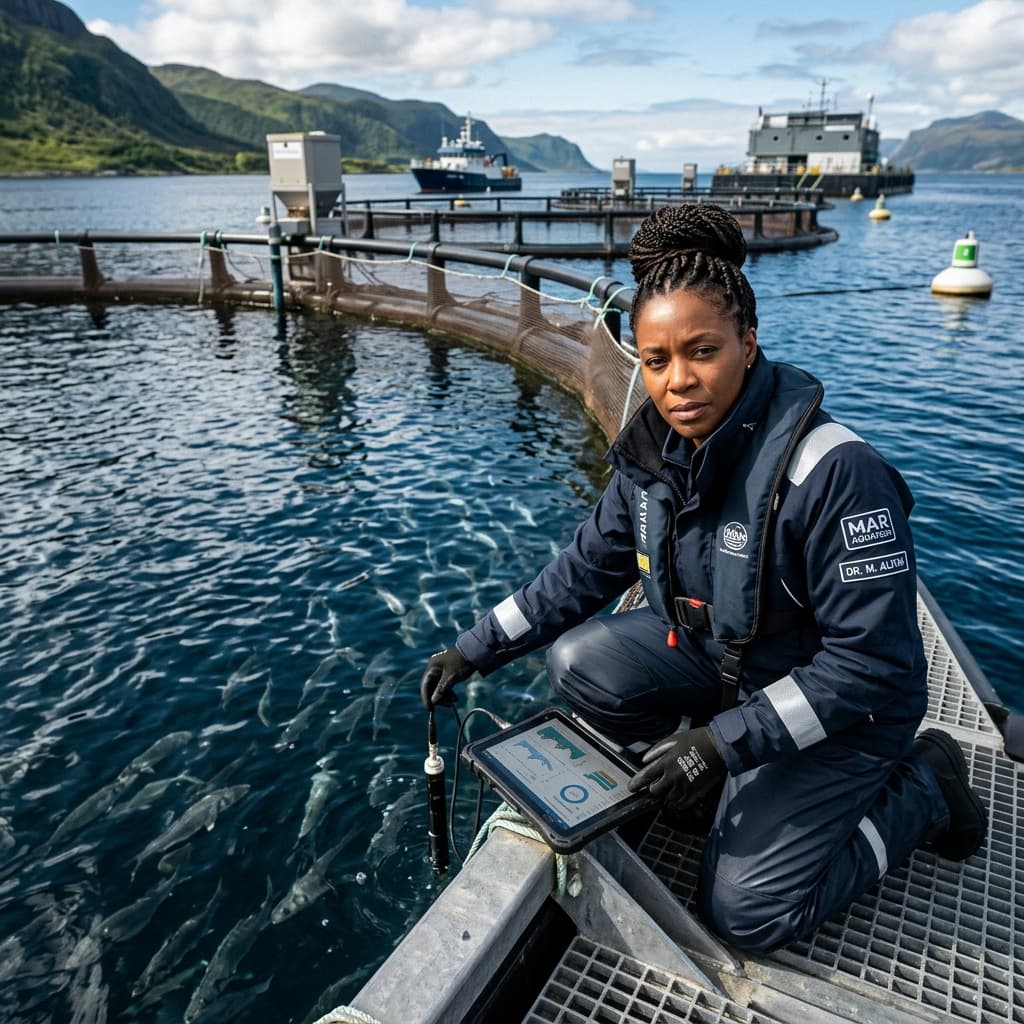
Why we didn't build a camera
It would have been easy to pitch a proprietary underwater camera and call it "AI aquaculture." It's a familiar story for investors and it looks impressive on a spec sheet. It's also a slower, more expensive way to get to the same outcome: a photo the model can read.
Almost every operator we spoke to during early customer discovery already carries a phone on rounds, and most facilities already have some kind of camera somewhere. The bottleneck was never image capture — it was that nobody was doing anything with those photos beyond a quick glance.
What the model is actually trained to catch
Our model is trained on labeled aquaculture inspection imagery to recognize visual patterns — lesions, fin damage, parasite clustering, abnormal surface behavior — the same things an experienced technician learns to notice over years on the job. It doesn't replace that judgment; it applies it consistently to every photo, every time, instead of only the ones someone happened to look at closely.
"We didn't want to ship a hardware promise we couldn't keep in an MVP. We wanted the smallest thing that could actually be useful on day one."
That's still where we are: a working photo-screening pipeline, a small number of pilot farms putting real photos through it, and a model that gets better every time someone on a pilot team confirms or corrects a flag.