
B2B Aquaculture Technology Insights
Deploying computer vision in a sterile lab is straightforward. Deploying it into a high-density, bio-fouling, low-light commercial salmon pen is an entirely different engineering challenge.
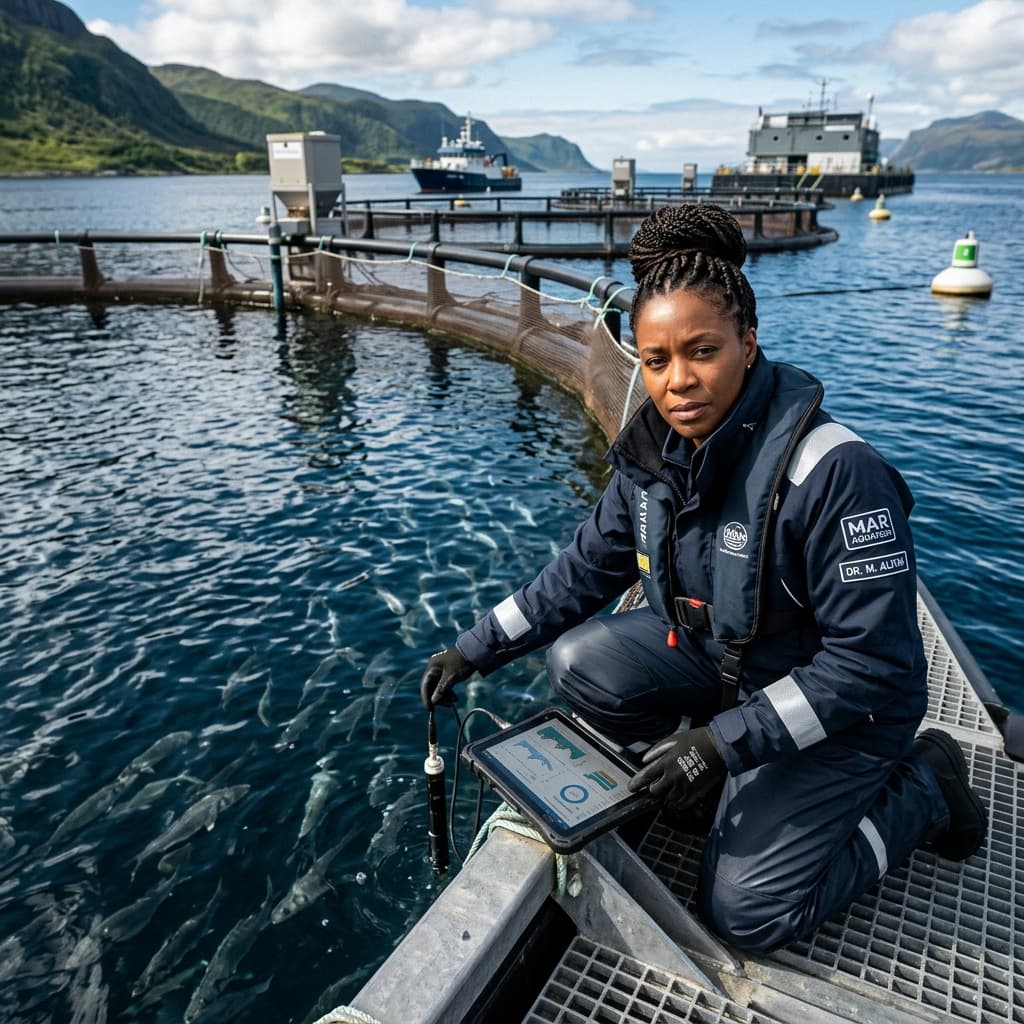
The Problem with Traditional Models
Standard object detection architectures like YOLOv8 are highly optimized for terrestrial edge computing. However, when applied to turbid water with heavy particulate matter, false positive rates skyrocket.
In our latest deployment off the coast of Norway, we observed that rapid shifts in current created visual artifacting that naive models interpreted as erratic schooling behavior (a key indicator of stress).
Integrating Azure IoT Edge
To combat this, we shifted our architecture to utilize Microsoft Azure IoT Edge. By processing the raw tensor arrays directly on the camera node using NVIDIA Jetson hardware, we were able to run a secondary optical flow algorithm to subtract background current artifacts before the CNN processes the frame.
"By pushing the compute strictly to the edge, we reduced our cellular data transmission costs by 94%, while simultaneously increasing the accuracy of our parasitic sea lice counts by 41%."
This capability allows commercial facilities to maintain real-time visibility into their biomass health without relying on perfect underwater visibility or expensive broadband links.